
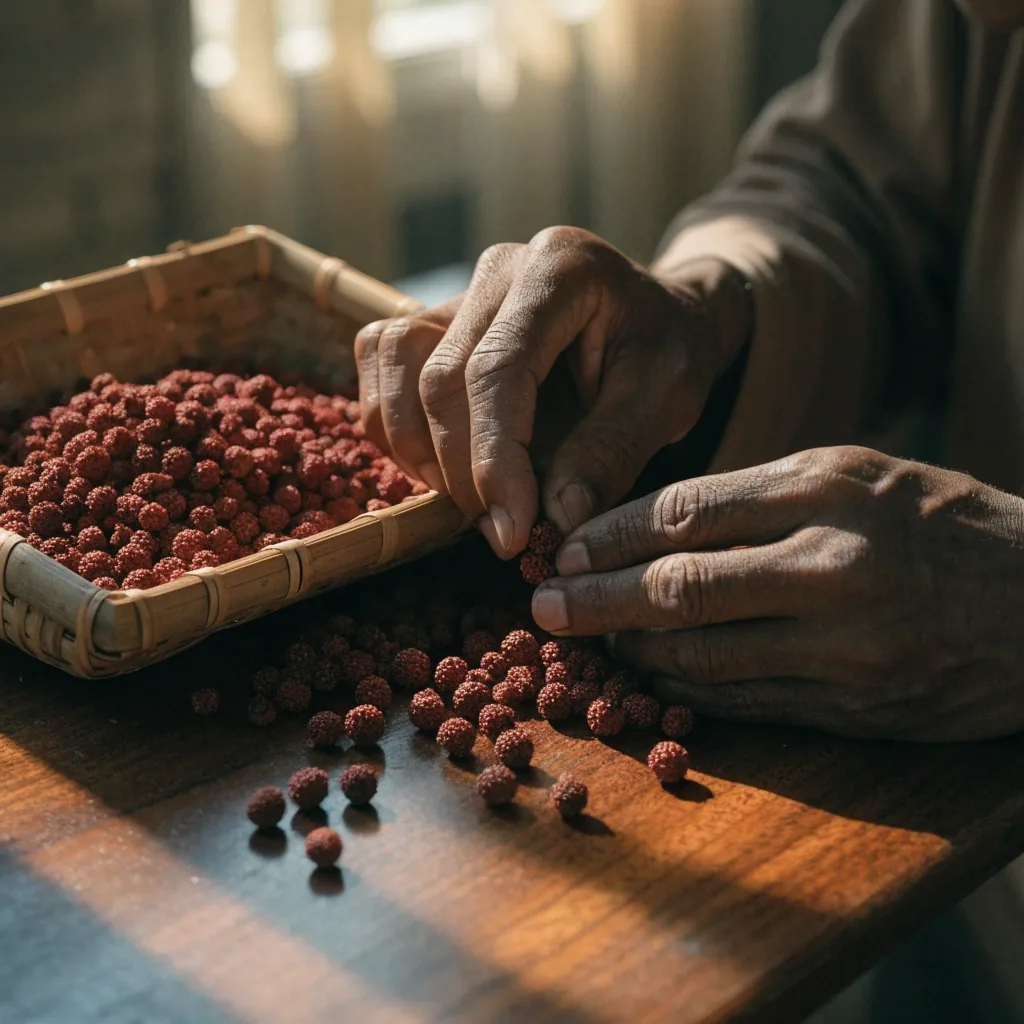
Saw palmetto
Targeted positioning in men's multis. Check whether it is a headline ingredient or listed near the end of a blend.
Monday to Friday, 09:00–18:00
Jl. Ahmad Yani No. 102, Ilir Timur I, Palembang, 30121
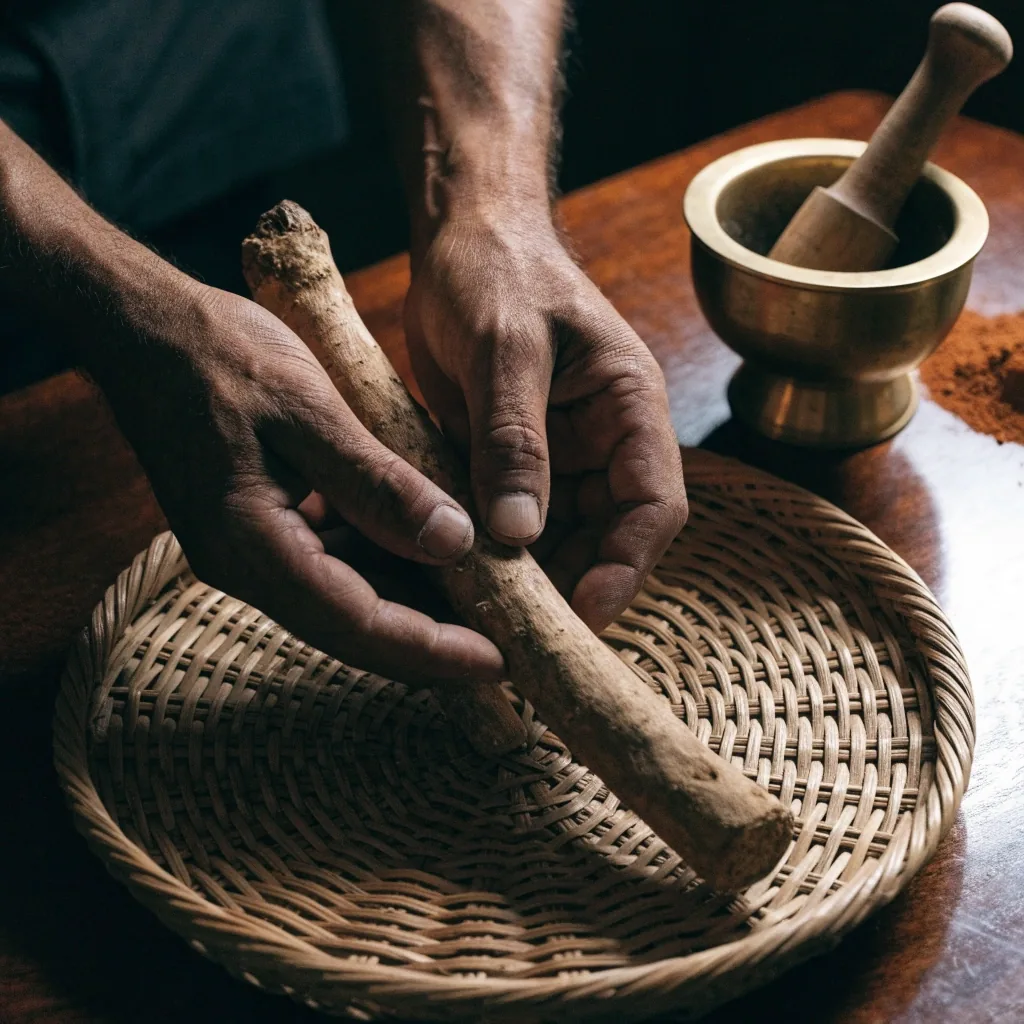
Ingredient guide · Palembang
Walk down any supplement aisle in Palembang or scroll a Jakarta online listing and the same names repeat: tongkat ali, maca, saw palmetto, ginseng. This guide explains what each one is, where it shows up in Indonesian products, and how to read it on a label.
Most shelves in this category run on a short list of botanicals and a short list of vitamins. The two groups answer different questions. A herbal capsule is built around extracts and is positioned as a targeted formula. A men's multivitamin is built around vitamins and minerals for men and is positioned as daily nutritional cover.
Knowing which group a bottle belongs to is the fastest way to make sense of an aisle, an online listing, or a shelf of natural supplements for men with wildly different price tags. Everything below keeps those two groups separate.
Ingredients covered in this guide
Herbal capsules
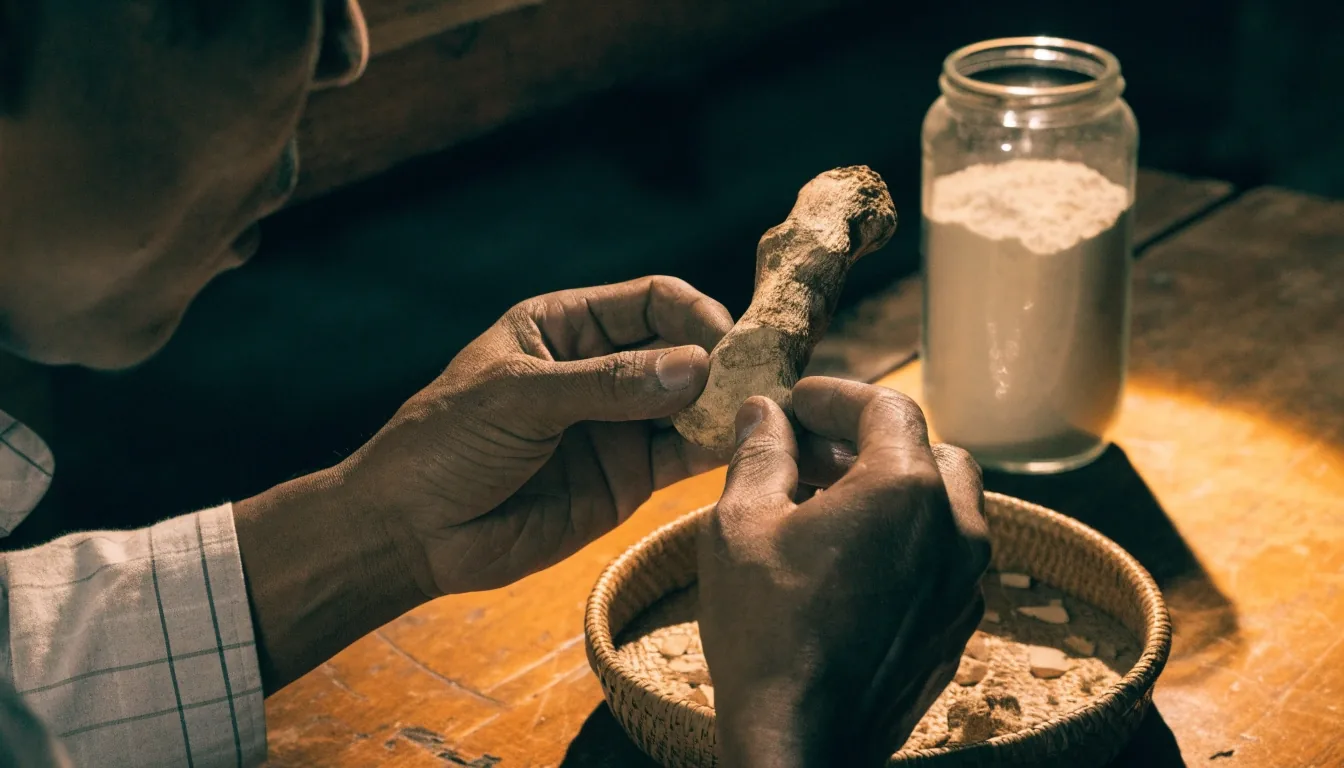
One of the most frequently referenced botanicals in Indonesian men's supplement coverage. It rarely travels alone — formulators pair it with maca or ginseng to build a fuller botanical profile.
When you see tongkat ali on a label, it usually signals the product belongs to the herbal capsule category rather than the daily multivitamin category. You will find it in products like Erojan and Natureline Men's Health, and it is commonly grouped with other stamina-oriented herbs in capsule form. That grouping is the useful part of the signal: it tells you which shelf you are standing in front of, and roughly what kind of formula you are comparing against the vitamins and minerals for men sitting two metres away.
What the label will not tell you at a glance is how much of it is inside. That number sits further down the panel, inside the amount column — which is exactly where this guide looks next.
Five names cover most of what a men's formula in this market is built from. Each plate below carries the same three-line caption the rest of this guide uses: what the botanical is, where it is positioned, and the one detail worth checking on the label.
Targeted positioning in men's multis. Check whether it is a headline ingredient or listed near the end of a blend.

Stamina-oriented botanical. Almost never a solo product here, so the dose inside any one capsule tends to be modest.

The name most buyers already know. Useful for recognition, less useful for comparison — extract type and amount differ widely.
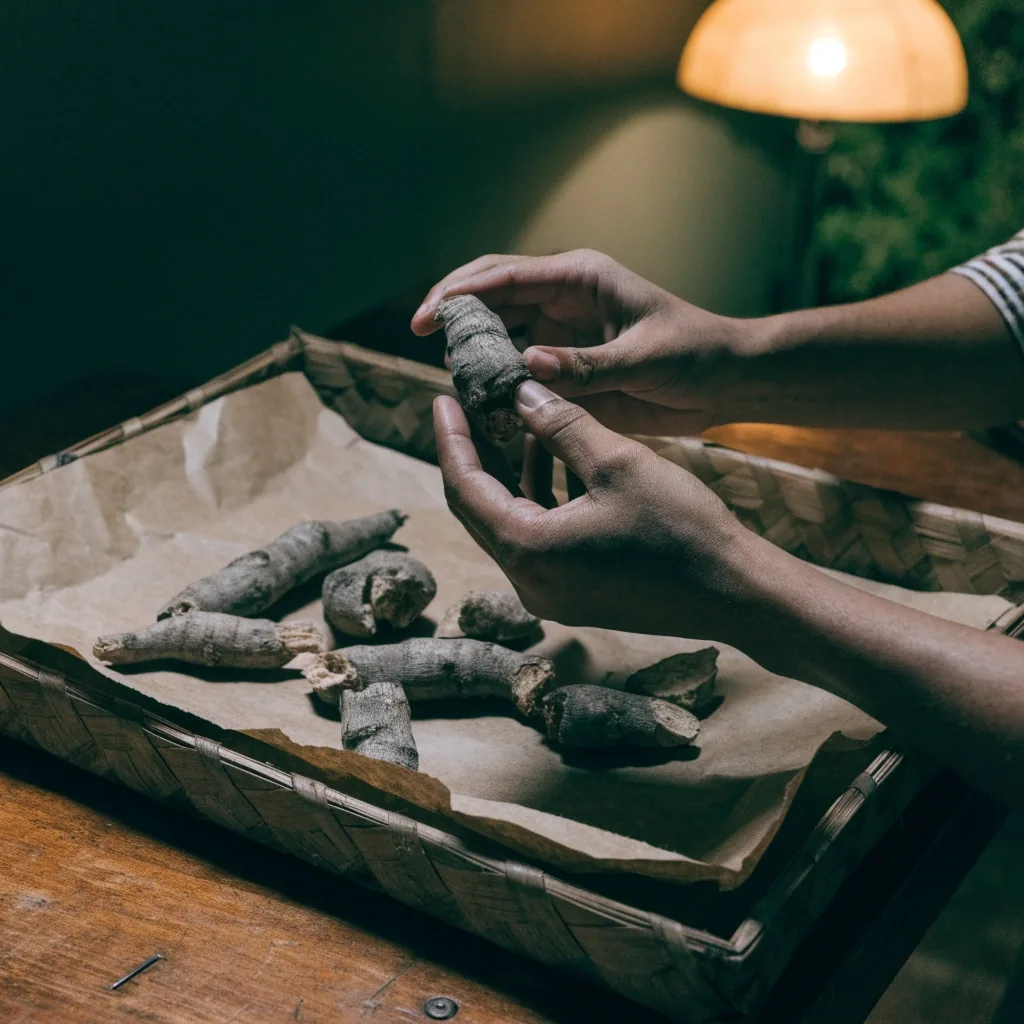
A local botanical layer. Formulas built for the Indonesian market often carry roots an imported label never lists.

The mineral-and-B-vitamin pairing. Nutritional cover for gaps in a daily diet rather than a botanical extract.
Swipe the rail for the rest of the set
Maca shows up in Indonesian men's formulas such as Erojan and gets cited in general health coverage as a stamina-oriented botanical. It almost never appears as a solo product in this niche. Instead it is blended with other herbs, which means the maca dose in any given capsule is often modest.
That blending is not a fault in the formula. Herbal capsules in this market are usually built as a group — a few roots working together in one daily serve — and energy and endurance formulas often lean on that group logic rather than a single hero dose. Reading the order of ingredients on a label helps you judge whether maca is a headline ingredient or a supporting one.
How to tell which role maca plays

Saw palmetto is listed in NOW Adam Male Multi and also appears in Naturelo's men's health lineup. It leans toward targeted positioning, which is why it usually shows up in capsule-based men's products rather than general family multis. Its presence often signals a formula aimed at older men, or at men with a specific wellness interest rather than general daily cover.
If you are comparing two similar multis, saw palmetto is one of the clearest points of difference. One label carries it, the other does not — and that single line changes which reader the formula is written for.
Ginseng is the other name in this pair. It appears across herbal blends and often serves as the familiar anchor that makes a new formula feel trustworthy. That familiarity is useful, but it can also blur comparisons. Two products may both list ginseng while using very different extract types or amounts. The label detail matters more than the name.
Not every men's formula is botanical. Nuvita Tri Zinc + Vitamin B6, sold by Natural Farm Indonesia, is built around a mineral and a B vitamin rather than herbal extracts. Zinc and B6 pairings like this are common because they cover basic nutritional ground that many daily diets miss.
Herbal capsule formulas
Tongkat ali, maca, ginseng and saw palmetto, usually blended. Positioned as a targeted daily serve. Amounts sit inside the ingredient panel and are worth reading line by line, because the headline botanical is not always the largest one in the capsule.
Mineral and vitamin formulas
Zinc, vitamin B6, and the wider set of vitamins and minerals for men. Positioned as nutritional support for everyday gaps rather than a targeted botanical. Amounts are usually stated against a daily reference, which makes them easier to line up against each other.
Two categories, side by side
Understanding these two groups separately makes online comparisons much easier. They are answering different needs, so the question is not which category wins — it is which shelf you actually meant to be shopping on.
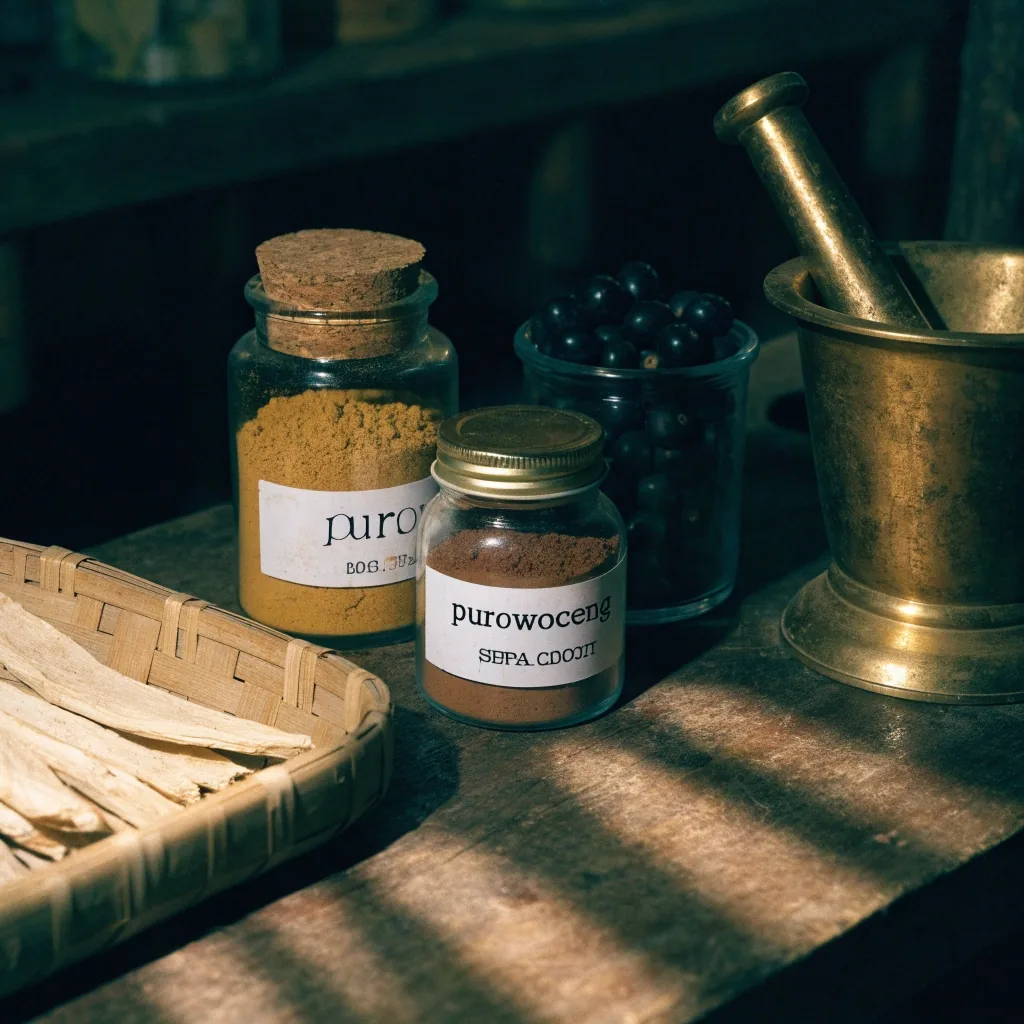
Indonesian formulas often include botanicals that do not appear in Western men's supplements at all. Purwoceng is one example, used in local herbal traditions and folded into men's capsule formulas. This local layer is worth noting because it means a formula designed for the Indonesian market may look quite different from an imported one. Neither is automatically better. They reflect different traditions and sourcing, and the label is where you see which tradition you are holding.
Ingredients are listed by weight, largest first. If tongkat ali is first and maca is fourth, the tongkat ali dose is higher. That single rule turns a wall of small print into a ranking you can read in a few seconds.
Proprietary blends complicate this because they group ingredients without individual amounts, which makes real comparison difficult. When two products use blends, you are mostly comparing brand positioning, not dosages. That is a limitation worth accepting consciously rather than arguing around.
There is a useful side effect to this exercise. Once you have ranked three or four products by label order, the front-of-pack claims stop carrying much weight, because you already know what is actually inside.
Three things to check, in order
Front-of-pack claims as a comparison method Not a reliable shortlist. They rarely add useful information beyond the three checks above.
NATURELO's plant-based and whole-food multis, sold in 60, 120, and 240 capsule versions, introduced a different ingredient philosophy to this market. Instead of a small number of isolates, these formulas pack many nutrients sourced from plant foods.
The trade-off is typically a larger daily capsule count. That is the honest cost of the approach, and it belongs in the comparison along with the price: a 240-capsule bottle is not simply a bigger version of a 60-capsule one, it is a different daily routine.
For men who prefer this approach, the ingredient list reads more like a food profile than a chemistry set — a long roster of named plant sources rather than a handful of concentrated extracts. Neither reading is more advanced. They are two ways of writing the same page, and the format line tells you which one you are holding.
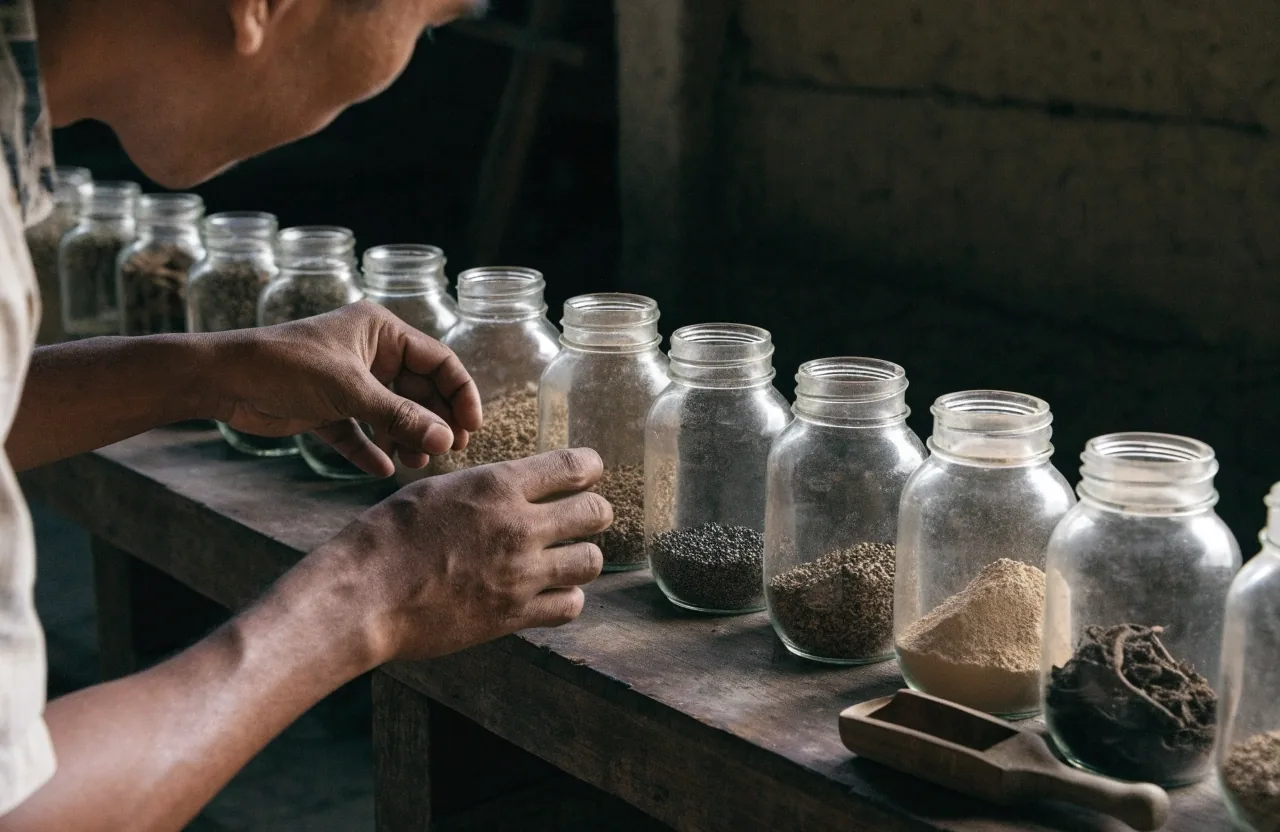
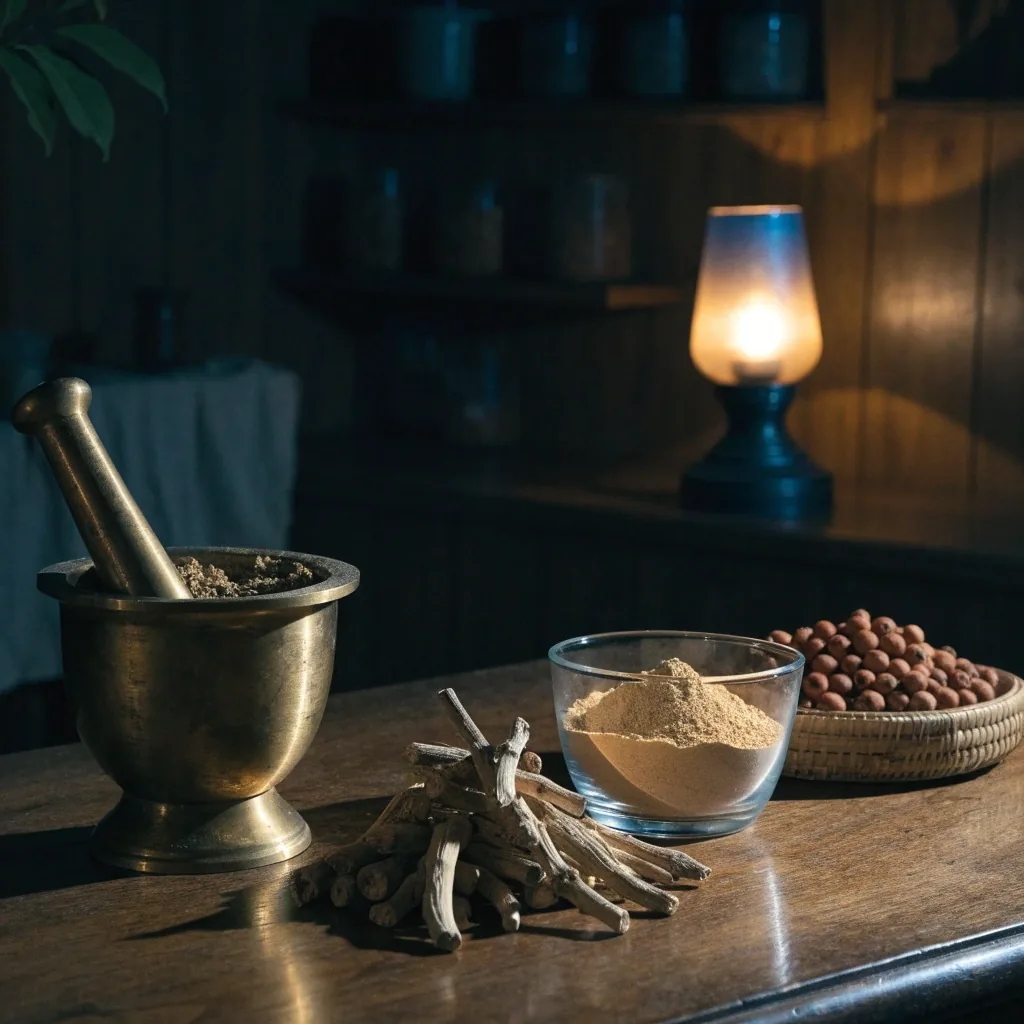
Three things, in order: the ingredient list with amounts, the format and how many per day, and the intended-use statement. Those answer what is in it, how you take it, and what it is positioned for. Front-of-pack claims rarely add useful information beyond that.
Tongkat ali, maca, saw palmetto and ginseng carry recognition. A maker who lists them is speaking to what buyers already look for. It does not mean the amounts match between two products — only that the shelf language is shared.
They answer different needs, so the question is usually the wrong one. If your daily diet already covers the basics and you want a targeted botanical, the herbal shelf makes sense. If you are filling gaps in everyday nutrition, the mineral and vitamin shelf does.
It groups several ingredients under one total weight without giving each its own amount. You can see what is inside, but not how much of each. When two products both use blends, treat the comparison as a difference in positioning rather than a difference in dose.
No. Local formulas often carry roots such as purwoceng that imported labels never list, while imported formulas tend toward plant-food sourcing and larger capsule counts. Both approaches are readable on the label — read the list before deciding.
Write to us at [email protected] or call +62 711 3562 7945 during working hours, Monday to Friday, 09:00–18:00. Our desk is at Jl. Ahmad Yani No. 102, Ilir Timur I, Palembang, 30121, and the contact page carries the same details.
Every ingredient above is described from what the product label in this market actually states, and from what general health coverage repeats about the same botanicals. Where a claim could not be checked against a label, we left it out — the esctow rule for this guide is simple: if it cannot be captioned, it does not get written.
5
Common ingredients covered
2
Formula categories in focus
3
Label checks before you buy
Popular products for men come and go; the reading method does not. Once you have checked a list in weight order three times, comparing two bottles at a shelf or on a Jakarta listing takes about a minute.
These products are dietary supplements, not medicines. They are not intended to diagnose, treat, cure or prevent any condition, and they do not replace a varied diet. If you take prescription medication or manage a health condition, speak to a qualified professional before starting a supplement.